
Reviewed · OAHU SCUBA DIVING
Open Water Scuba Certification
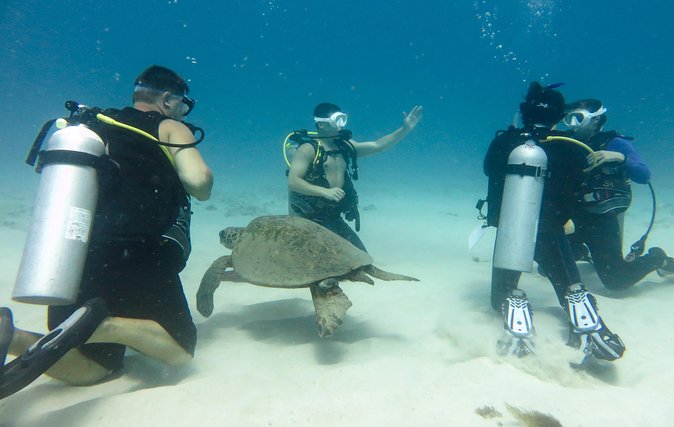
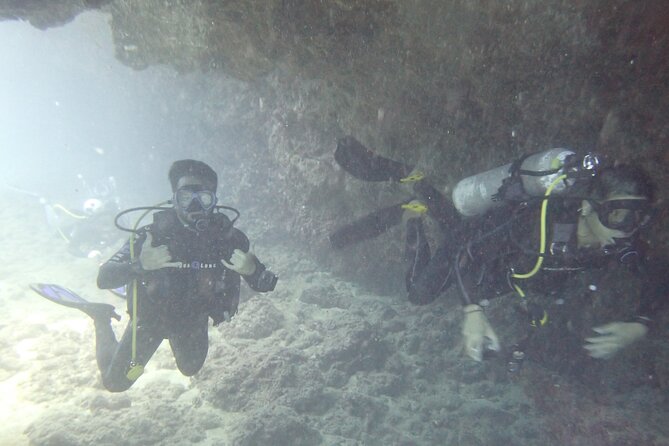
Learning to breathe underwater is a fine way to make a Hawaii trip more memorable, and this four-day course takes you beyond a one-time introduction. You work toward SSI Open Water Scuba Certification while learning basic skills and exploring local coral reefs, with the possibility of seeing turtles, octopuses, and tropical fish.
I like two things in particular: the course spreads training across two consecutive weekends, giving you time between sessions, and the small group limit of eight should allow for more individual attention. It also includes four local ocean outings, so your certification comes with real practice, not just classroom study.
The main drawback is the commitment. You need to complete digital learning before the first class, attend all four early-start days, arrange your own transport, and supply your own mask, snorkel, fins, and boots unless you pay extra. This course is built around a schedule, not a quick add-on to a short Honolulu stay.
Key points before you book
- Four days over two weekends: Training is divided into four parts, with two sessions on each weekend.
- Digital study comes first: You must complete the online learning before day one and contact the company for access.
- Four local ocean outings: The course pairs confined-water practice with four ocean sessions.
- Personal gear is not included: Bring your own mask, snorkel, fins, and boots, or budget for equipment options starting at $175.
- A small group, but no shuttle: The maximum is eight participants, and you need your own transportation.
- Plan around flying and health: Scuba activity within 48 hours of a flight is not recommended, and everyone must complete a health questionnaire.
What four days of training actually mean
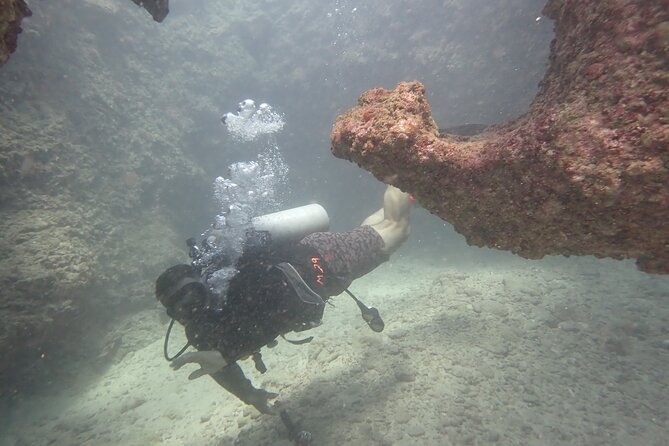
This is a full certification course, not a short introductory session. You’ll work through independent digital study, confined-water skill practice, and open-water training over two consecutive weekends. If you are in Honolulu for only a few days, the schedule will not fit; if you can stay longer or live locally, the split format can work well.
The course is designed with local schedules in mind, but anyone who can attend all four days is welcome. The starting time is 7:00 am, so plan for early mornings as well as the travel time to the meeting point. The activity begins and ends at Honolulu Scuba Company, 670 Auahi St, Suite A-1, Honolulu.
The four-part structure has a practical advantage: you are not expected to learn every skill and complete every ocean session in one packed weekend. You have a gap between weekends to absorb what you have learned. The trade-off is that you need to keep the whole schedule open and return for the second weekend.
More scuba dives in Oahu:
- First-Time Scuba Diving in Honolulu + Free Videos
★ 5.0 · 3,123 reviews - Oahu Shark Dive
★ 5.0 · 2,903 reviews - Oahu: Shark Cage Dive on the North Shore
★ 4.8 · 1,485 reviews
Weekend one: study review and the first ocean sessions
Before the first in-person day, complete the required digital learning. The company provides access, but you need to contact them directly to receive it. Do not leave this until the night before: the course starts with a review of the final exam, so arriving prepared helps you spend class time on the skills and questions that need attention.
Day one combines that exam review with confined-water training from the beach. This is where you begin practising the basics with scuba equipment in a controlled setting. It is a core part of learning, not a warm-up to skip; the point is to get comfortable with the equipment and skills before moving into the ocean.
On day two, you make two ocean outings. The course description promises exploration of Hawaii’s coral reefs, where you may spot sea turtles, octopuses, and colorful tropical fish. Wildlife sightings are never guaranteed, of course, but the reef setting gives the training a memorable local backdrop.
The early start and physical demands are worth factoring in. You should have a moderate level of fitness, and you will need enough energy to concentrate on instructions and equipment as well as enjoy being in the water. If you are nervous, say so. The best instruction is patient and responsive, and the course’s small group limit gives instructors a better chance to notice when someone needs more time.
Weekend two: finish the skills, then complete four ocean outings
The second weekend begins with day three, when you finish the confined-water training. This lets you work on any remaining skills before the final day. It also means the course is not simply four consecutive days of instruction: there is a break between weekends, but you must return ready to pick up where you left off.
Day four is for the final two open-water check-out sessions. By the end of the course, successful participants earn an SSI Open Water Scuba Certification and have logged four local ocean outings. That combination is useful: you leave with a certification and some experience using what you learned in Hawaii’s waters.
The course does not promise a particular reef, wildlife encounter, or water condition. Its clear promise is the progression from confined-water practice to open-water assessment. Think of the reefs as an added reward, not a guaranteed wildlife show.
The teaching style matters more than the scenery
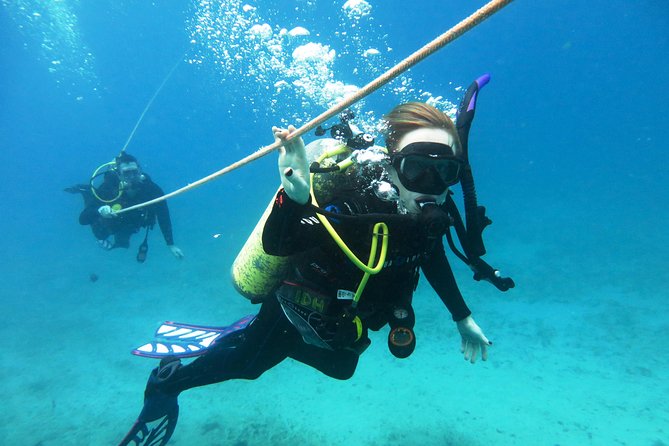
For a beginner, an instructor’s ability to explain a skill clearly and help you feel safe can matter more than a postcard view. Names associated with the course’s instructors include Hunter, Anna, Chandler, Ed, Jess, Theo, Jake, and Lenny. Your instructor will depend on the schedule, so do not book expecting a specific person unless the company confirms it.
The recurring strengths associated with these instructors are patience, clear explanations, a calm manner, and attention to safety. Some students describe feeling nervous at first, then more at ease as they worked through the skills. That is a useful reminder: apprehension is normal, and you do not need to arrive already confident in the water.
Several instructors are singled out for taking time to make sure participants understand equipment and techniques. The course is also described as fun and encouraging, without pushing people past their comfort level. That kind of approach is especially valuable when you are learning to communicate underwater and operate unfamiliar gear.
There are a few cautions worth keeping in view. One account raised concerns about worn equipment, and another objected to a captain’s manner. These are not enough to define the whole operation, but they are a good reason to check that your wetsuit and other supplied gear fit comfortably and are in sound condition. If something feels wrong, speak up before entering the water.
Same island, a different kind of outing:
- Oahu Grand Circle Island and Haleiwa Tour: 9-Hr Deluxe Experience
★ 5.0 · 17,387 reviews - Oahu: Grand Tour Around Island 16 Locations plus Snorkeling
★ 5.0 · 8,669 reviews - Parasailing Experience in Waikiki, HI
★ 5.0 · 7,692 reviews - Majestic Circle Island Tour with Lunch
★ 5.0 · 7,014 reviews
What the $495 price covers, and what it does not
At $495 per person, the fee covers professional instruction, scuba equipment, and the training that leads to an SSI Open Water Scuba Certification. You also get four local ocean outings as part of the course. For a multi-day certification program, that is a substantial amount of instruction and practice rather than a single brief session.
There is an important equipment catch: the price does not include your mask, snorkel, fins, or boots. Bring your own set or ask about buying equipment, with prices starting at $175. If you need all four items, the real cost of getting started can be considerably higher than the headline course price, so check current options before booking.
The included equipment is still a meaningful part of the value. You do not need to purchase a full scuba setup for a beginner course, and having equipment provided for training keeps the upfront commitment lower. But fit matters. Ask the company about sizing and what is available if you are concerned about comfort or condition.
The fee is easier to justify if certification is a goal you have already considered. If you only want to try scuba once, a full four-day course may be more commitment than you need. This program is designed to teach skills and award a recognized certification, not just provide a short underwater experience.
Getting to the meeting point and managing the schedule
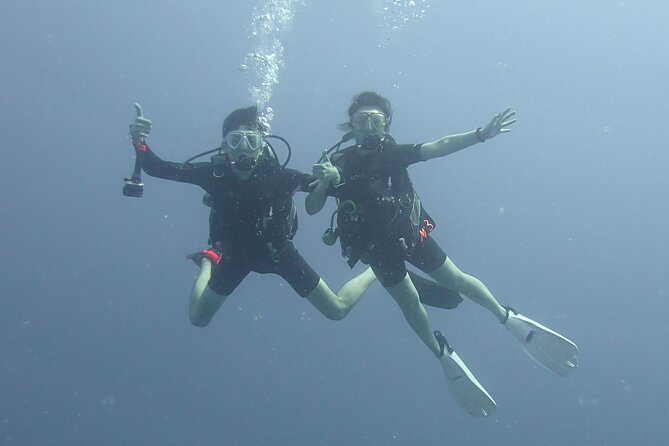
You meet at Honolulu Scuba Company, 670 Auahi St, Suite A-1, Honolulu, and the activity ends back there. The start time is 7:00 am. Private transportation is not included, and you are responsible for getting yourself to the meeting point on all four days.
That transport detail matters more than it might seem. Because the course spans two weekends, you need a reliable plan for repeated early trips, not just one ride from your hotel. The schedule is best suited to people staying nearby with access to a car or another dependable way to reach the start point.
The group limit is eight participants. A smaller class can make it easier to hear instructions and ask questions, though it does not mean you will have a private instructor. If one-on-one attention is a priority, ask the company how instruction is organized for your dates.
Health, fitness, and flights: the practical checks
Every participant must complete a health questionnaire before scuba activity. Certain existing conditions, including asthma and heart conditions, may prevent you from taking part. If you have a medical concern, consult your doctor before booking rather than relying on a last-minute decision at the meeting point.
You should have moderate physical fitness. The course includes several days of training and time in the water, so it is sensible to be honest with yourself about your comfort and stamina. If you have concerns about a skill or feel uneasy during training, tell your instructor; clear communication is part of staying safe.
Do not schedule a flight within 48 hours of your final scuba activity. The course takes place across two weekends, so this restriction affects the timing of your departure, not just the first weekend. Leave enough time after the last ocean session before flying.
Who should choose this Oahu certification course?
This is a strong fit if you want to earn a scuba certification in Hawaii and can commit to the full four-day schedule. It particularly suits people who value gradual instruction, want several chances to practise, and are willing to set aside two weekends rather than squeeze training into a single holiday block.
It can also suit nervous beginners. The course is structured to build skills in confined water before moving to the ocean, and the small group size gives you room to ask questions. You still need to be ready for the physical activity and to follow safety instructions, but you do not need to arrive as an experienced swimmer or scuba enthusiast; the stated requirement is moderate fitness.
It is a poorer fit if your vacation is short, your schedule is uncertain, or you would rather not buy personal equipment. It is also not a good match if you cannot get to the meeting point independently or if a health condition may make scuba activity unsafe without medical advice.
Should you book it?
Book this course if certification is the goal, you can attend both weekends, and you are comfortable with the extra planning for transport and personal gear. The $495 fee buys a structured path to SSI certification and four local ocean outings, with a maximum group size of eight.
Before committing, confirm digital-learning access, ask about the personal equipment you will need, and check that the dates leave at least 48 hours between your final session and any flight. If those details work for you, this is a practical way to turn an Oahu stay into the start of a lasting ocean hobby.
FAQ
How long does the certification course take?
It takes approximately four days, spread across two consecutive weekends.
What time does the course start?
The stated start time is 7:00 am.
Where does the course meet?
It begins at Honolulu Scuba Company, 670 Auahi St, Suite A-1, Honolulu, Hawaii 96813. The activity ends back at the same meeting point.
What certification do I earn?
At successful completion, you earn an Open Water Scuba Certification from Scuba Schools International, or SSI.
How many ocean sessions are included?
The course includes four local open-water check-out sessions.
Is digital learning included?
Yes. Digital learning is included and must be completed before the first in-person day. Contact the company directly for access.
What equipment should I bring?
Bring your own mask, snorkel, fins, and boots, or ask about equipment options starting at $175. Other scuba equipment is included.
Do I need to arrange my own transportation?
Yes. Private transportation is not included, and you are responsible for getting to the meeting point.
Can I fly within 48 hours after the course?
Scuba activity within 48 hours of flying is not recommended. Plan your departure around the final ocean session.
Just added in Oahu
- All-Inclusive Sunset Dolphin Watch and Snorkeling Cruise★ 4.5 · 8 reviews
- Sunrise Breakfast Cruise in Honolulu★ 3.5 · 48 reviews
- 3 Hour Sunrise Photo Tour with Malasada★ 5.0 · 81 reviews
- Stand-Up Paddle Yoga on the North Shore of Oahu★ 5.0 · 3 reviews
- Best Oahu Self-Guided Driving Audio Tour: Beaches, History & More★ 3.5 · 10 reviews
- Private 90-Minute Spa and Massage in Honolulu★ 4.5 · 11 reviews
- Kailua Stand Up Paddle Boarding Lesson★ 5.0 · 26 reviews
- Stand Up Paddle Board Lessons★ 5.0 · 12 reviews
Oahu Scuba Diving, compared.
First-Time Scuba Diving in Honolulu + Free Videos
Read our review →
Beginner Scuba Diving Experience with Video Package in Honolulu
Read our review →
Safe and Educational Shark Dive from Haleiwa: Sharks Guaranteed
Read our review →
Dive with Sharks in Hawaii: Shark Tour from Haleiwa
Read our review →
Certified Diver: 2-Tank Deep Wreck and Shallow Reef Dive Off Oahu
Read our review →Browse the lists this tour appears in